Some breast cancers do not respond to currently available chemotherapy.
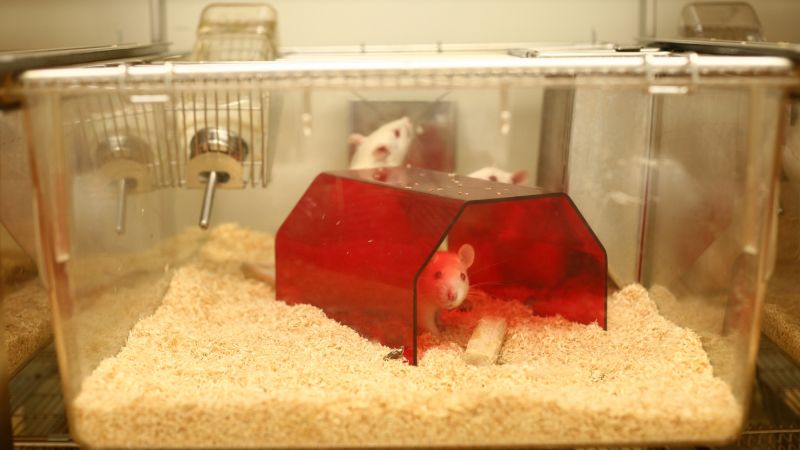
This months Wednesday Winner website (#WW) is Rodent Respect. The site was created for scientists who work with rodents, especially students.
It is often said that the only way to really learn anything is to do it yourself.
Armadillos can infect humans with leprosy, according to a new study comparing the disease in US patients and armadillos.
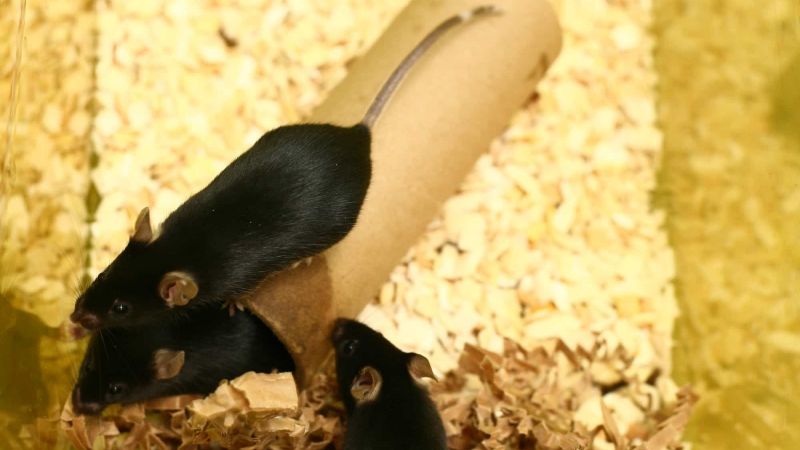
Scientists have identified a protein that suppresses skin cancer in mice.
The story of Thomas Beecham, founder of the company that went on to become part of Glaxo SmithKline, is quite extraordinary.
A mouse model of the human immune system has been validated by replicating the results of a recent human HIV clinical trial.
Prostate tumours have been in reduced in mice using a medicine originally designed to treat obesity.
Understanding regeneration in model organisms gives hope that it may one day be possible for amputees to regrow limbs, or for heart attack patients to regrow healthy heart muscle.
The ban on a veterinary medicine which caused an unprecedented decline in Asian vulture populations has shown the first signs of progress.
Our brains are a dense tangle of billions of nerve cells connected together at synapses. Knowing how everything links up is key to understanding how the brain works – but it's a huge challenge.
A vaccine has been developed that protects monkeys from Simian Immunodeficiency Virus (SIV), the monkey equivalent of HIV.
Get the latest articles and news from Understanding Animal Research in your email inbox every month. For more information, please see our privacy policy.