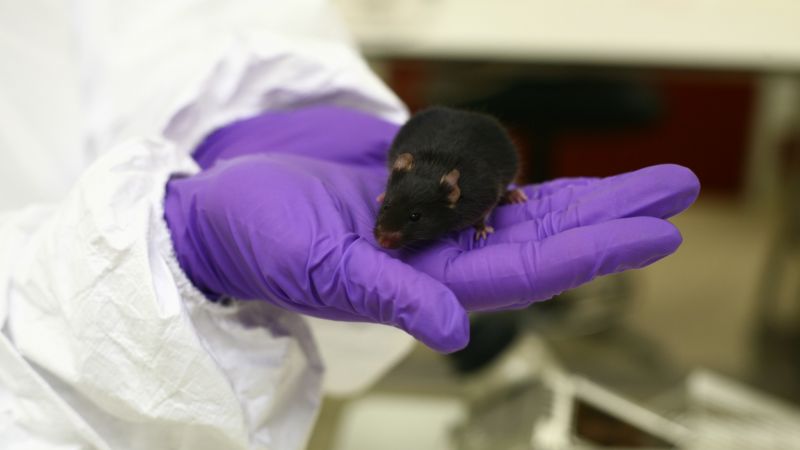
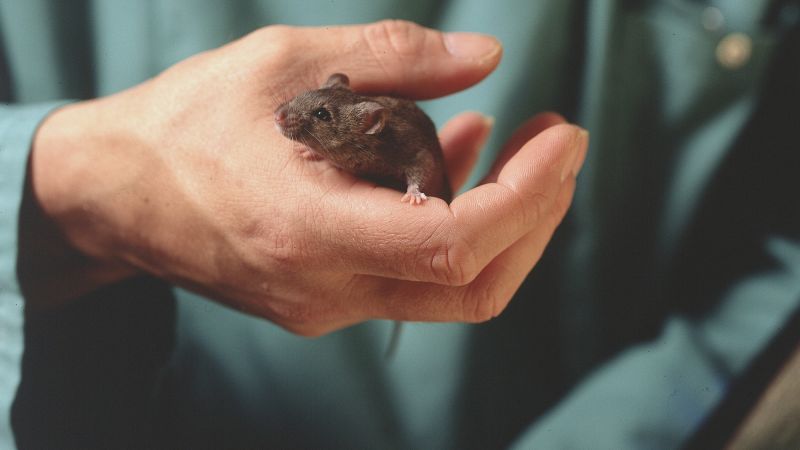
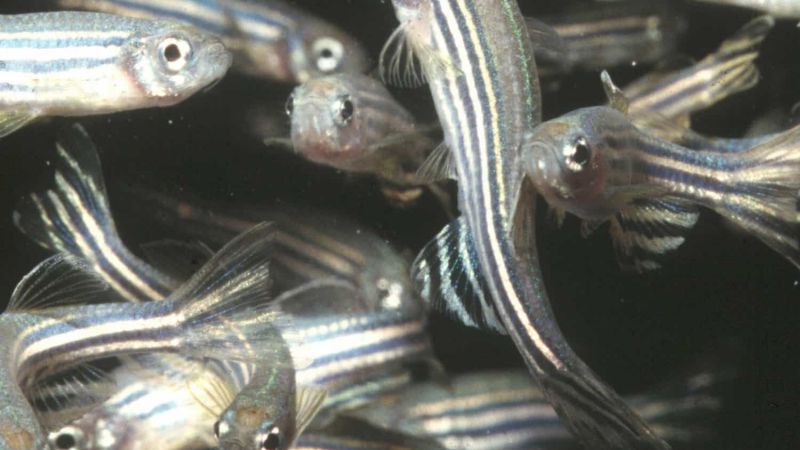
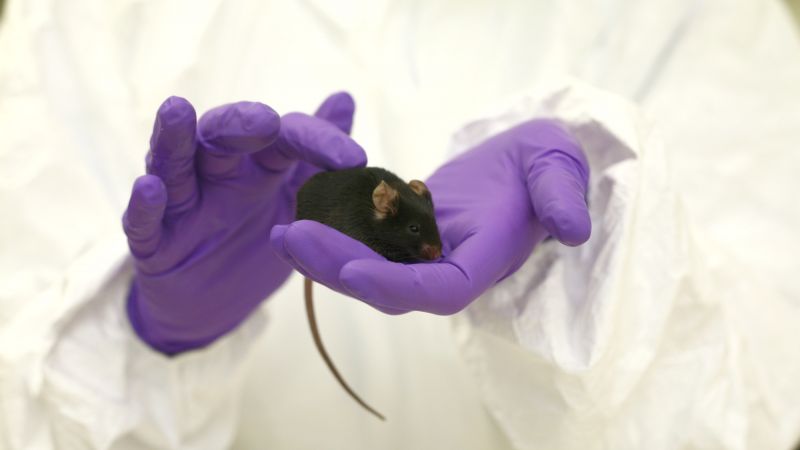
From our archive - this video about the care of laboratory animals was produced by the Biomedical Research Trust in 2003.
Mouse retinas have been grown in the lab using embryonic stem cells.
Scientists have discovered a mechanism linking type-2 diabetes to obesity.
New treatments for chronic wounds could be developed following the discovery of stem cells that repair damaged skin tissue.
We've awarded our first Wednesday award to The MRC Centre for Developmental and Biomedical Genetics for their Fish for Science website.
Scientists have identified three types of gene mutation that lead to acute myeloid leukaemia.
The discovery of a gene linked to skin cancer in zebrafish could lead to new treatments for the disease.
The European Chemical Industry Council (Cefic) has launched a £450,000 research project into finding non-animal methods of toxicity testing.
The process of nerve cell degeneration in multiple sclerosis (MS) can be reversed, according to new research in mice.
Research on GM mice has found how mutations in a single protein can lead to autism.
In his science lessons for Jamie’s Dream School on Channel 4, Lord Winston showed the dramatic (in more ways than one!) impact that using animals can have in science lessons.
Get the latest articles and news from Understanding Animal Research in your email inbox every month. For more information, please see our privacy policy.