
Tattoos may do more than decorate the skin. The ink injected in the body seems to put a strain on the body’s immune system and affect response to diseases, according to studies in animals.
Over the past two decades, permanent tattooing has gained in popularity particularly in Western countries. Almost one in five individuals are tattooed globally, the United States having the highest prevalence with more than 30% having a tattoo. As this trend grows, the relevance of tattoo safety for public health is increasing proportionally. But despite their popularity, researchers are only now finding out that tattoos may have an impact on health.
How do tattoos work?
Tattoos involve injecting ink into the deeper layer of the skin, known as the dermis, using needles and tiny puncture wounds.
The dermis is active with immune cells. Any foreign component that arrives in the dermis, whether it be microbes, toxins, or even just dirt, is sensed by sentinels. The immune cells then spring into action, setting off an orchestra of inflammatory and immune reactions to heal the skin and clear any foreign particles. In particular, a type of cells called macrophages swallow up foreign molecules as well as dead and infected cells and dissolve them with potent enzymes and acids.
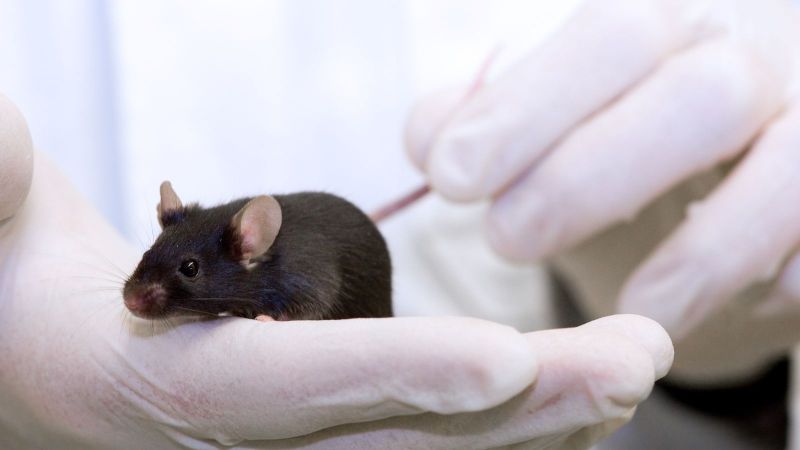
The permanence of tattoos is achieved by using pigments that the body cannot clear. Tattoo inks, often formed by a complex mixture of pigment binders, solvents, and additives –coloured tattoos typically containing industrial organic pigments originally intended for plastics, varnishes, or paints –are invulnerable to this digestive process. The ink molecules are captured by the macrophages but cannot be destroyed by them. Instead the macrophage dies and releases the ink which is recaptured by another macrophage and so on, holding the ink in place. According to studies in mice, this process can cause inflammation that may weaken the body’s defences.
Tattoo travels with the immune system
Tattoo ink remains on site in the skin but also travels through the body accumulating in the lymphatic system, where it can stay for years according to studies in mice. The lymphatic system plays a crucial role in immunity. Within the lymph nodes the ink pigment is engulfed by macrophages but still cannot be broken down. This leads to chronic inflammation that can persist for months or years and may continuously stress the immune system causing enlarged lymph nodes along with various immune-related adverse reactions.
Researchers have observed two phases of immune response: an acute inflammation shortly after tattooing that lasts up to two months, and a longer-lasting chronic phase associated with immune cell activation in lymph nodes. Additionally, the presence of tattoo ink at a vaccine injection site can modulate the immune responses to vaccination. Following tattooing, immune response to Covid-19 vaccines in mice weakened, with a reduced antibody response, although the same inks appeared to enhance the response to a UV-inactivated flu vaccine, reflecting differences in the mechanisms of action between these vaccine classes.
Considering the tattooing trend in the population, these animal studies suggest that more research is needed to inform toxicology programmes, policymakers, and the general public regarding the potential risk and long-term effects of tattoos on the immune response. Concerning links between tattoos and cancers have also emerged in the past few years. A Danish twin study published in January 2025 reported that people with tattoos had higher risks of skin cancers such as melanoma and squamous cell carcinoma, as well as lymphoma. The risk rose in those with tattoos larger than the size of a palm. In 2024, a Swedish study of almost 12,000 people found that people with tattoos had a 21% higher risk of malignant lymphoma than those who had not been inked.
The regulation of tattoo inks is less stringent than that of the pharmaceutical industry or other products intended for human use. The toxicology risk of the components formed by tattoo inks remains a matter of concern. Despite these inks entering the body and affecting the immune system, toxicological data remains weak, and in vivo studies on how they interact with the human body even more so.


Last edited: 24 February 2026 15:01