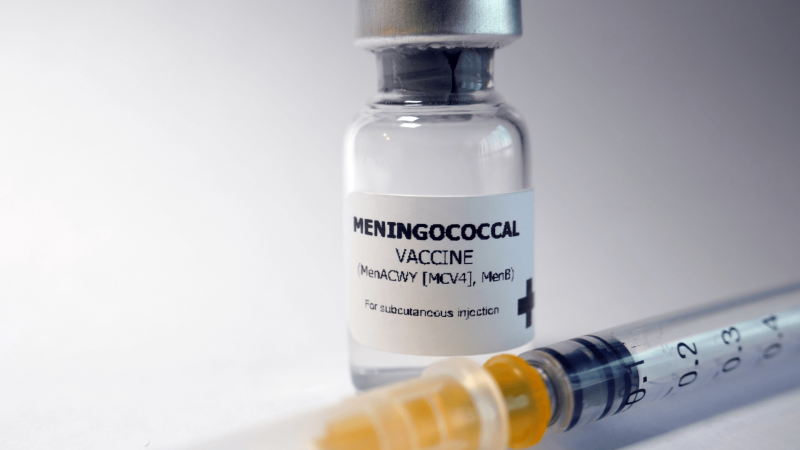
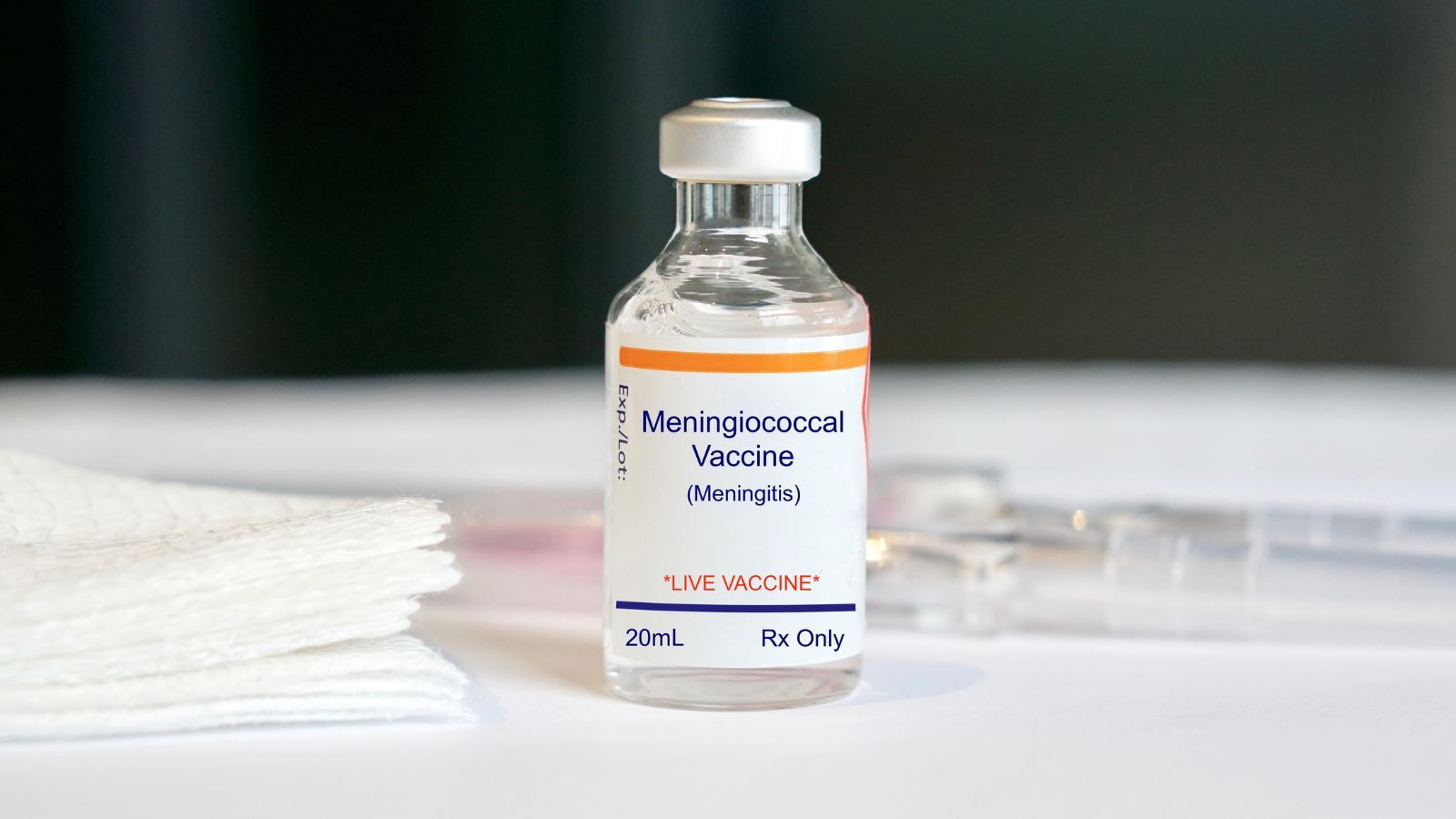
Earlier this year, the UK Health Security Agency reported a cluster of meningococcal disease (MenB) outbreaks in Kent, leading to two deaths. Health experts worked quickly to identify close contacts of those affected so they could receive antibiotics, and a targeted vaccination programme against meningitis B was rapidly deployed to prevent further spread.
Meningococcal disease is a serious illness caused by several strains of bacteria (bacteria MenA, MenB, MenC, MenW, MenX, MenY), viruses, or fungi. Bacterial meningitis being the most dangerous form— the disease progresses rapidly, sometimes within hours and up to 1 in 10 cases can be fatal. These pathogens can live harmlessly in the back of the nose or throat, but they can occasionally get past the body's defences, enter the bloodstream, and cause serious illness such as meningitis - inflammation of the lining of the brain - or blood poisoning also called sepsis.
In England, around 300 to 400 cases are diagnosed each year. Globally, there are approximately 5 million cases of meningitis annually, leading to up to 300,000 deaths.
Animal research: a cornerstone of meningitis prevention
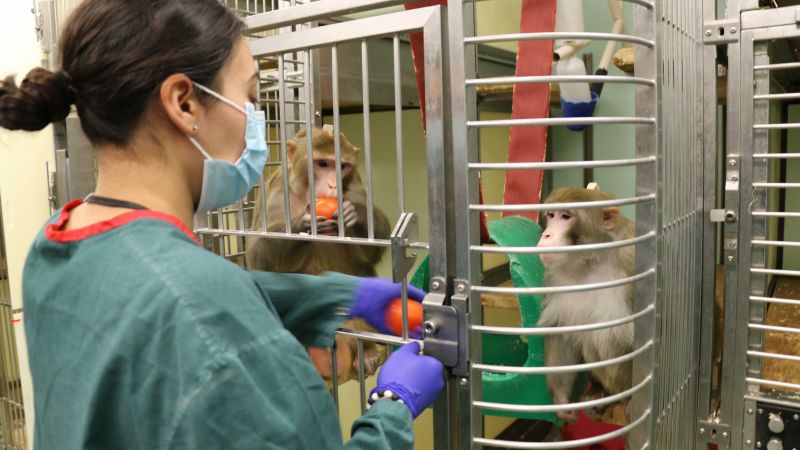
The ability to respond quickly to outbreaks of meningococcal disease has been built on decades of scientific research – much of it involving animals. Animal models have been essential for understanding meningococcal disease, developing drugs and vaccines, and ensuring their safety before use in humans.
From early studies to modern vaccine design, animal research has enabled scientists to explore how meningitis-causing pathogens invade the body, evade the immune system, and cause severe disease. These insights are critical for designing vaccines that can effectively prevent infection.
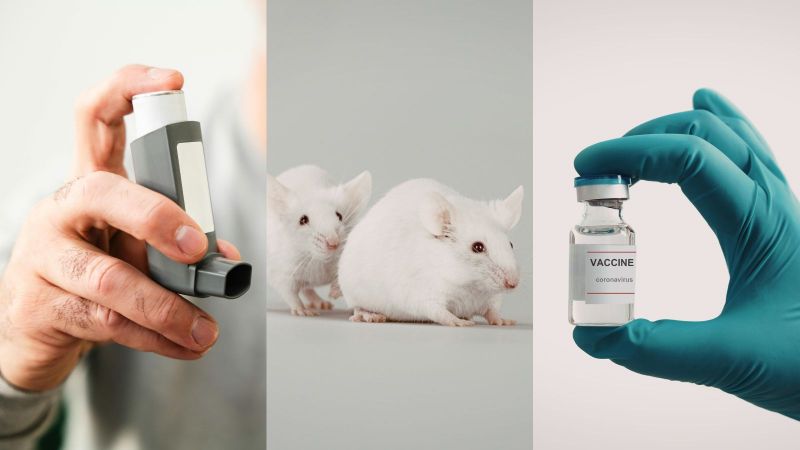
Different animal species have contributed to this progress. Mice, rats, rabbits, pigs, and non-human primates have all been used to study meningitis and test vaccines, each offering unique insights into how the disease develops and how the immune system responds. Without these models, it would not be possible to study infection across whole organs and immune systems in the same way.
Developing models that accurately reflect natural human meningococcal infection has been challenging. No single animal model perfectly reproduces the course of the disease in humans. The most commonly used models include:
- Intraperitoneal infection in adult mice, used since the 1930s
- Infant rat intraperitoneal infection models, which have proven useful for vaccine evaluation
Researchers have also explored intranasal infection models to better mimic natural routes of infection. More recently, advances in transgenic mouse models have offered promising improvements, potentially allowing more accurate prediction of vaccine effectiveness.
Although each model has limitations, together they provide valuable tools for evaluating vaccine candidates and improving our understanding of disease. Continued research is needed to refine these models and better replicate human infection.
Vaccination against meningitis
Animal models have long been used in the preclinical development and safety assessment of vaccines intended for human use, including those for meningococcal disease. While laboratory-based (in vitro) tests such as ELISA can measure aspects of immune response, animal models provide a unique and essential perspective by allowing scientists to study infection in the context of a whole organism. They make it possible to observe how pathogens interact with tissues, spread through the body, and trigger whole-body immune responses – processes that cannot be fully replicated outside a living system.
Vaccines play an essential role in preventing meningitis. Multiple vaccines exist against most types of meningococcal disease:
- MenB vaccine – helps protect against meningococcal group B bacteria and is offered to babies from 8 weeks of age since 2015. It was first studied in mice before progressing to human trials.
- 6-in-1 vaccine – offered to children from 8 weeks, it helps protect against six serious diseases:diphtheria, hepatitis B, Hib (a major cause of meningitis), polio, tetanus, and whooping cough. It has been tested in multiple animal species, including mice, rats, monkeys, and guinea pigs. Hib was once the most common cause of bacterial meningitis, with around 800 cases annually in the UK, mostly in babies. Each year, about 30 babies died and around 80 were left with long-term disabilities. Following the introduction of the Hib vaccine in 1992, cases fell by 96%.
- Pneumococcal vaccine – helps protects against bacteria that can cause meningitis and pneumonia and is given to babies from 16 weeks of age. It has been studied in animal models including monkeys, rabbits, rats, mice, and pigs. Historically, these models have been crucial for understanding disease mechanisms, testing diagnostics and treatments, and developing vaccines.
- MMRV vaccine – helps protect against measles, mumps, rubella, and chickenpox from the age of one. It has been tested in animal models such as cotton rats.
- MenACWY vaccine – helps protect against meningococcal groups A, C, W, and Y and is offered to teenagers and university students. It has been evaluated in animal models including mice, rats, and rabbits.
The safety and effectiveness of meningitis vaccines are the result of decades of rigorous research, with animal studies playing a central role at every stage – from understanding the disease to developing and testing vaccines. While these vaccines have brought on significant successes, challenges remain. New, better, and more affordable and universal vaccines are still needed globally if meningitis is to be wiped out.
While no model is perfect, animal research remains essential for advancing new vaccines and improving protection against meningitis worldwide. With continued scientific progress, supported by these models, there is real potential to further reduce – and ultimately eliminate – the global burden of meningitis.
Last edited: 30 June 2026 12:25