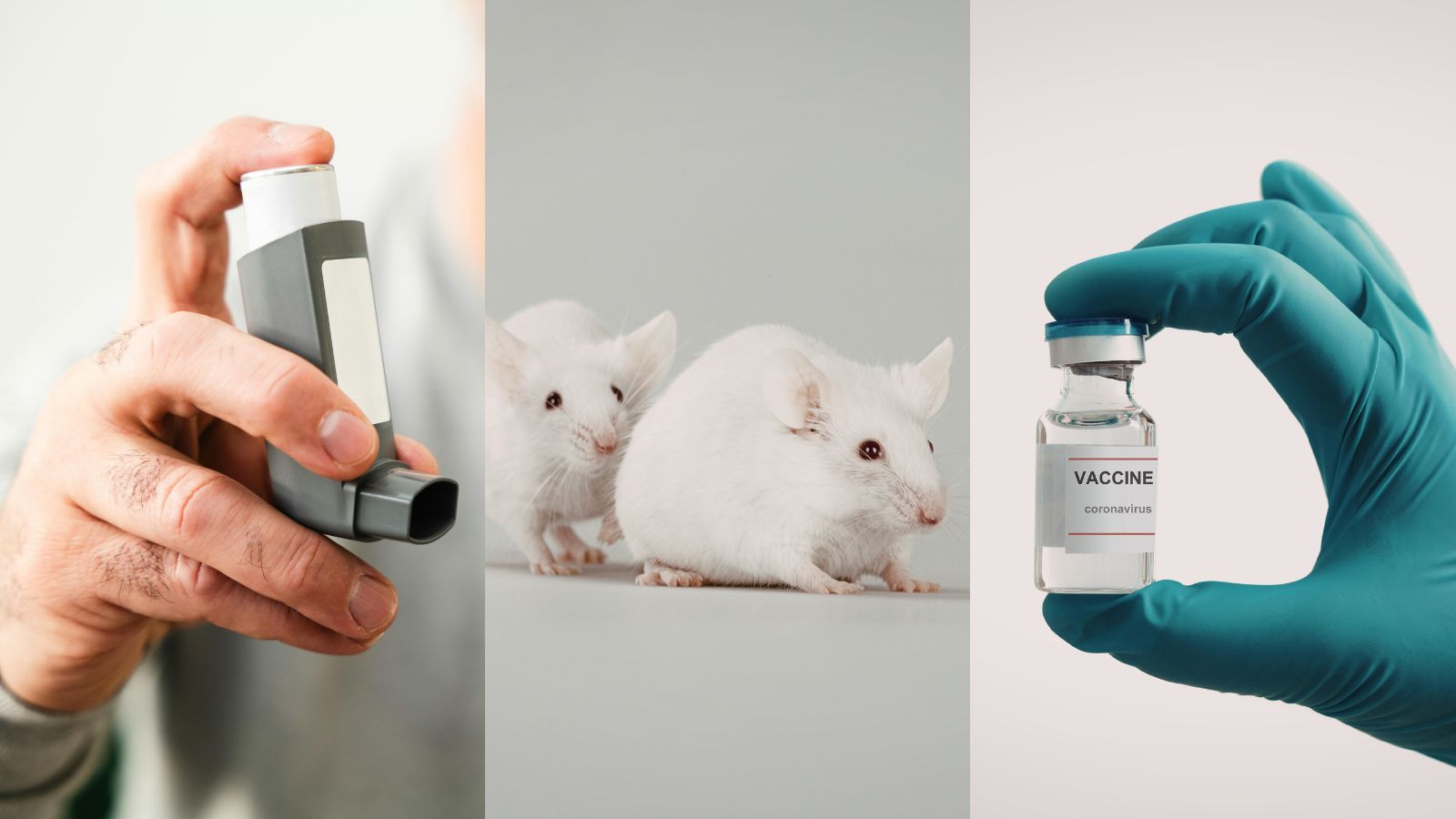
An experimental jab targeting a molecule that bolsters the immune system can shield mice from life-threatening anaphylactic shock for at least a year, according to new research. The vaccine brings hope to the millions of people worldwide that tiptoe around allergies.
Allergic diseases represent a major and growing global health concern, with increasing prevalence among both children and adults. Allergies can impair quality of life, leading to problems with social and daily activities as well as reduced productivity and concentration. In the UK alone, around six per cent of adults – or 2.4 million people – are estimated to have a clinically confirmed food allergy.
Globally, one in three people suffers from a condition whereby their immune system is or becomes intolerant to an allergen. The majority of allergies are caused by a spike in the production of antibodies called immunoglobulin E (IgE). These antibodies go on to raise immune mast cell awareness to a specific allergen. These sensitised cells go on high alert and when a person then comes into contact with the allergen, it prompts these cells to release a deluge of chemicals, such as histamines, leading to swelling of the tongue or throat, difficulty breathing, a drop in blood pressure, and in worse cases to anaphylaxis. In severe cases, anaphylaxis can be fatal.
Aside from attempting to avoid allergens altogether, options to prevent such attacks are limited. In an emergency, EpiPens loaded with epinephrine can relax airways and save lives, but people with severe allergies must carry them at all times. An alternative is to train the immune system to neutralise its over-zealous response to harmless molecules. Some oral immunotherapies involve gradually ingesting increasing amounts of allergens under medical supervision to help build tolerance over time. Expensive and redundant anti-IgE monoclonal antibody drugs that bind to IgE can also be used to prevent reactions.
A French research team is now offering a new long-lasting alternative solution: a vaccine that shields against allergic reactions.
The vaccine, named IgE-K, primes the immune system to produce antibodies that target and block IgE. The antibodies prevent IgE from binding to its receptors on mast cells, and halt the subsequent runaway allergic reaction. Two doses of the vaccine protected mice against the life-threatening allergic reaction anaphylaxis for at least a year without showing any adverse effects. After exposure to an allergen, vaccinated mice had weaker allergic immune reactions and fewer signs of anaphylaxis, such as drops in body temperature. All vaccinated mice survived contact with allergens, with no harmful side effects observed.
The mice were genetically modified to produce a human version of IgE, so researchers are optimistic that the vaccine would work effectively in humans, targeting effectively the same molecule. Still, clinical trials are needed to evaluate the vaccine’s safety, efficacy and duration in humans. If it does come to market, the vaccine could be an efficient, long lasting, more convenient and a cost-effective way to treat people with severe allergies.

Last edited: 10 March 2026 12:38