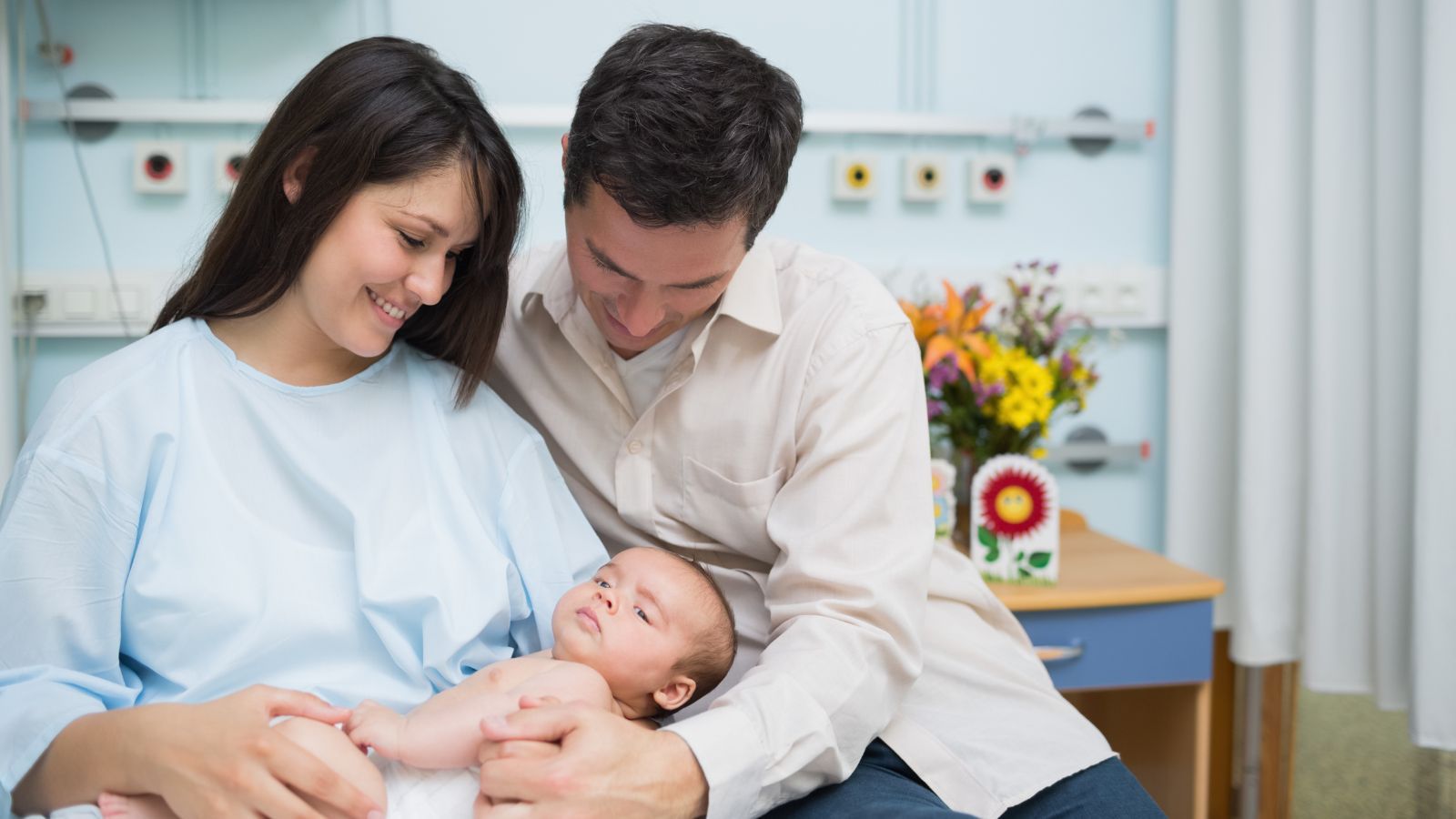
The UK recently celebrated the birth of its first baby from a transplanted womb, marking a major step forward in reproductive medicine.
The baby boy, Hugo, was born to Grace Bell, who was born without a uterus due to a rare condition called Mayer-Rokitansky-Küster-Hauser (MRKH) syndrome. After receiving a womb from a deceased donor and undergoing IVF treatment, she gave birth by caesarean section in London. Using a womb from a deceased donor is significant because it avoids the risks of major surgery for a living donor and could make the procedure more widely available in the future.
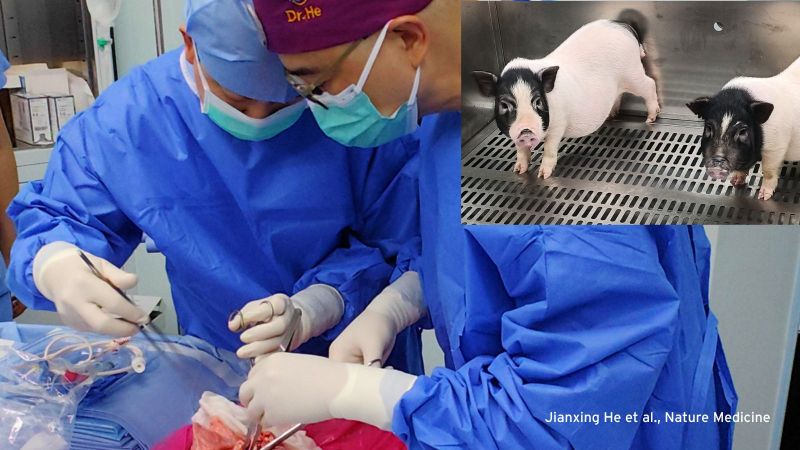
This breakthrough is the result of decades of scientific research, including studies using animals to develop and refine womb-transplant techniques. Since the 1970s, researchers have used animals such as mice, rabbits, pigs, sheep and primates to test surgical methods, understand organ rejection, and study whether transplanted wombs could support pregnancy.
Scientists have been studying uterus transplantation since the 1960s using animals such as rats, mice, rabbits, pigs, sheep and primates to develop surgical techniques and understand transplant rejection. Some of these studies achieved pregnancies in transplanted wombs, proving the concept could work.
These animal-based studies helped researchers improve microsurgery, organ preservation and immunosuppressant treatments, which are needed to prevent the body rejecting a transplanted organ. After years of progress and successful animal studies, doctors were eventually able to perform womb transplants in humans, offering hope to women who cannot carry a pregnancy due to uterine infertility.
The use of a deceased donor in a womb transplant is scientifically significant for several reasons. First, it removes the need for a healthy living donor to undergo a long and complex surgery, reducing ethical concerns and medical risks. It also means that more wombs could potentially become available through organ donation systems, which could make the treatment accessible to more patients. In addition, successfully transplanting a uterus from a deceased donor demonstrates that the organ can survive removal, preservation, and transplantation while still functioning well enough to support pregnancy. This provides important evidence that current surgical and organ-preservation techniques are effective and represents a major step forward in reproductive and transplant medicine.
Animal studies enabled scientists to improve transplant surgery and immunosuppressant treatments, eventually making human trials possible. The successful birth confirms once again the relevance of animal studies in the advancement of human medicine, contributed in this case to a medical advance that gives new hope to women who are unable to carry a pregnancy.
Last edited: 16 March 2026 13:04