The Animals (Scientific Procedures) Act 1986 regulates scientific procedures which may cause pain, suffering, distress or lasting harm to “protected animals”; it refers to these as “regulated procedures”. A “protected animal” for the purposes of the Act means any living vertebrate other than a human and any living cephalopod.
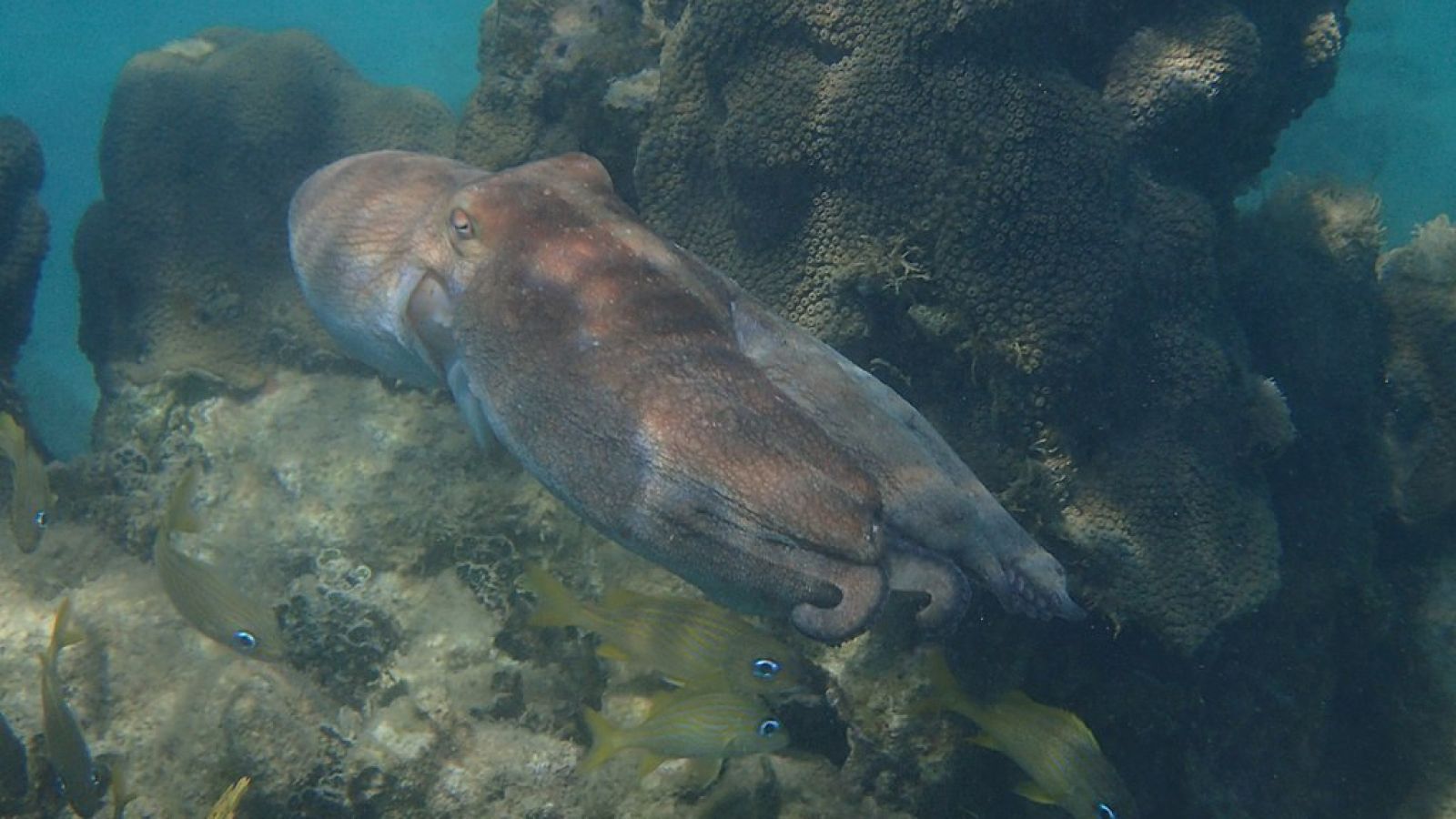
The common octopus (Octopus vulgaris) was added to the legislation in 1993 following consideration of evidence about its well-developed nervous system and its potential capacity to experience pain and suffering. In 2013, protection was extended to all living cephalopods, including all species of octopus, squid, cuttlefish and nautiluses. Despite the common octopus having been protected under the Act since 1993, no regulated procedures using octopuses have been recorded since its inclusion.