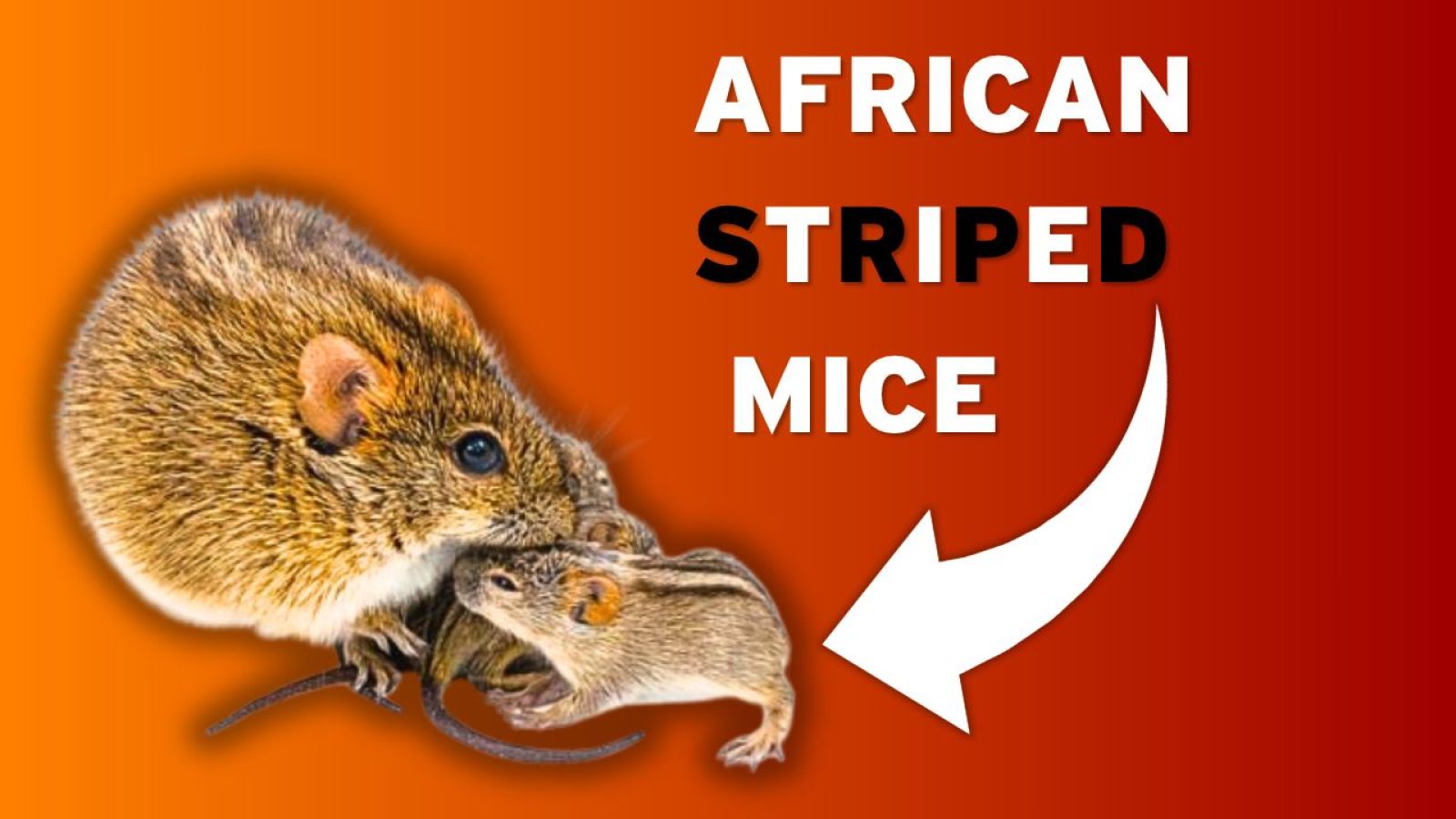
Did you know that the eyes of African Striped Mice have an unusually high number of retinal cones, indicating an unusually high amount of retinal data processing, more like that of humans? This is just one reason why they have scientists interested and why, in August, we travelled to the rodent facility at the University of Manchester to film their colony of Rhabdomys (African Striped Mice). Watch the video below to find out how these animals are beginning to shed light on the effects of modern living and how we might be rewiring our own biological clocks.
Rhabdomys are murid rodents, native to the grasslands of southern Africa. They are diurnal animals, which paired with their cone rich retinas, makes them particularly useful for studying vision and circadian rhythms. In our first video, we watch Rhabdomys undergo light preference testing, to understand how the animals behave when there is self-selecting light available. Professor Rob Lucas and his team have designed a novel home cage system, in which trained animals have complete control over their light. The team want to understand light preferences and the behavioural consequences of reafferent light (light produced as a product of an organisms own actions).
In our second video, we meet colony manager Rachel Bowden-Abay, who guides us through the care and welfare provided to the animals in the laboratory setting. During a cage clean, she discusses the animals housing, diet, and enrichment requirements. As well as how the animals develop from birth.
We thank the University of Manchester, Professor Rob Lucas, and Rachel Bowden-Abay, for their time and openness in discussing their research. Learn more about the work carried out at the Centre for Biological Timing at the University of Manchester.
For more videos on animal research please visit the UAR YouTube Channel.
Last edited: 22 October 2026 09:27