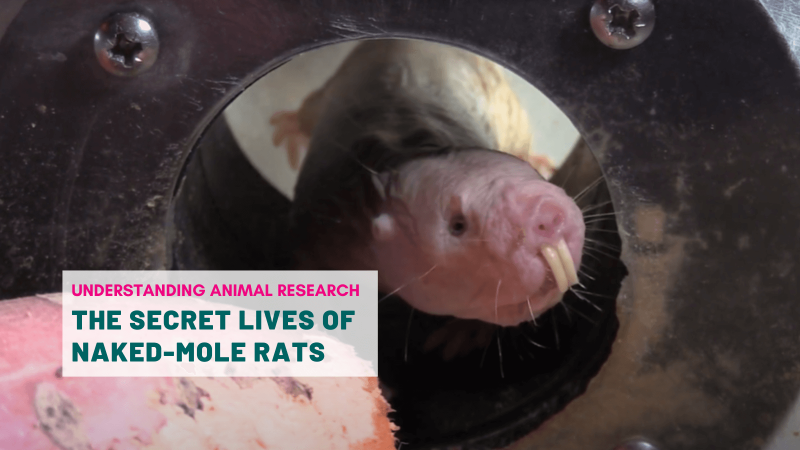
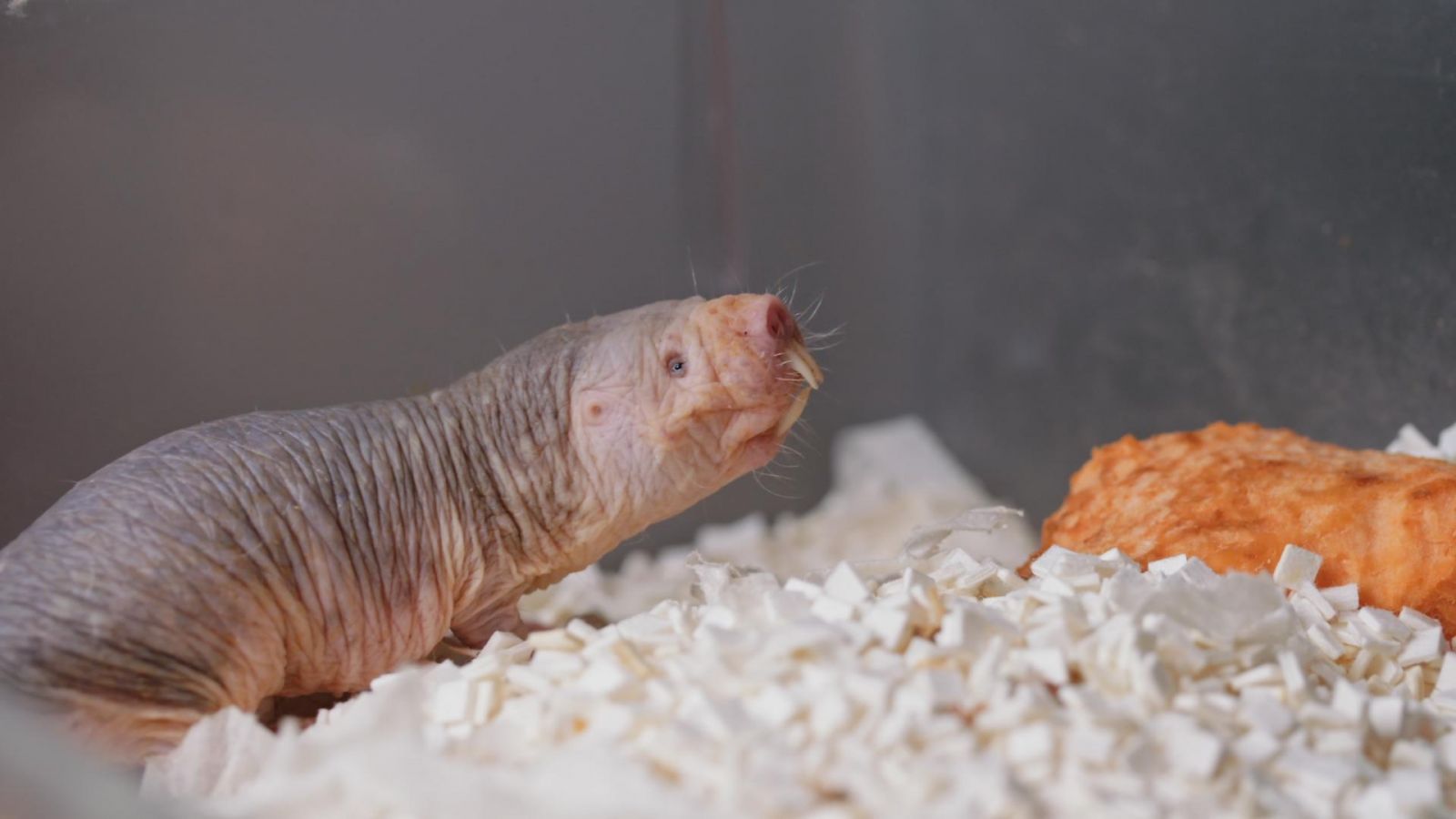
The naked mole-rat (Heterocephalus glaber) is a subterranean rodent native to East Africa, namely Ethiopia, Kenya and Somalia. In the wild, naked mole-rats dig complex networks of tunnels to find food, primarily feeding on large underground tubers. A single tuber can provide a colony with a long-term source of food lasting for months or even years, as they eat the inside but leave the outside, allowing the tuber to regenerate.
Naked mole-rats have an exceptionally long lifespan for rodents, with some individuals living up to 40 years. They also exhibit remarkable resistance to cancer and age-related diseases.
Which mole-rats are used in scientific research?
There are over 30 species of African mole-rat, but it is the naked mole-rat (H. glaber) that is the primary species used in scientific research. Due to their highly unusual physiological traits, they have become valuable models for studying aging, cancer resistance, and pain perception. While genetically modified models are common in research other species, such as mice, the complex social structure and breeding challenges makes genetic modification of naked mole-rats more complex.
Why are naked mole-rats used in scientific research?
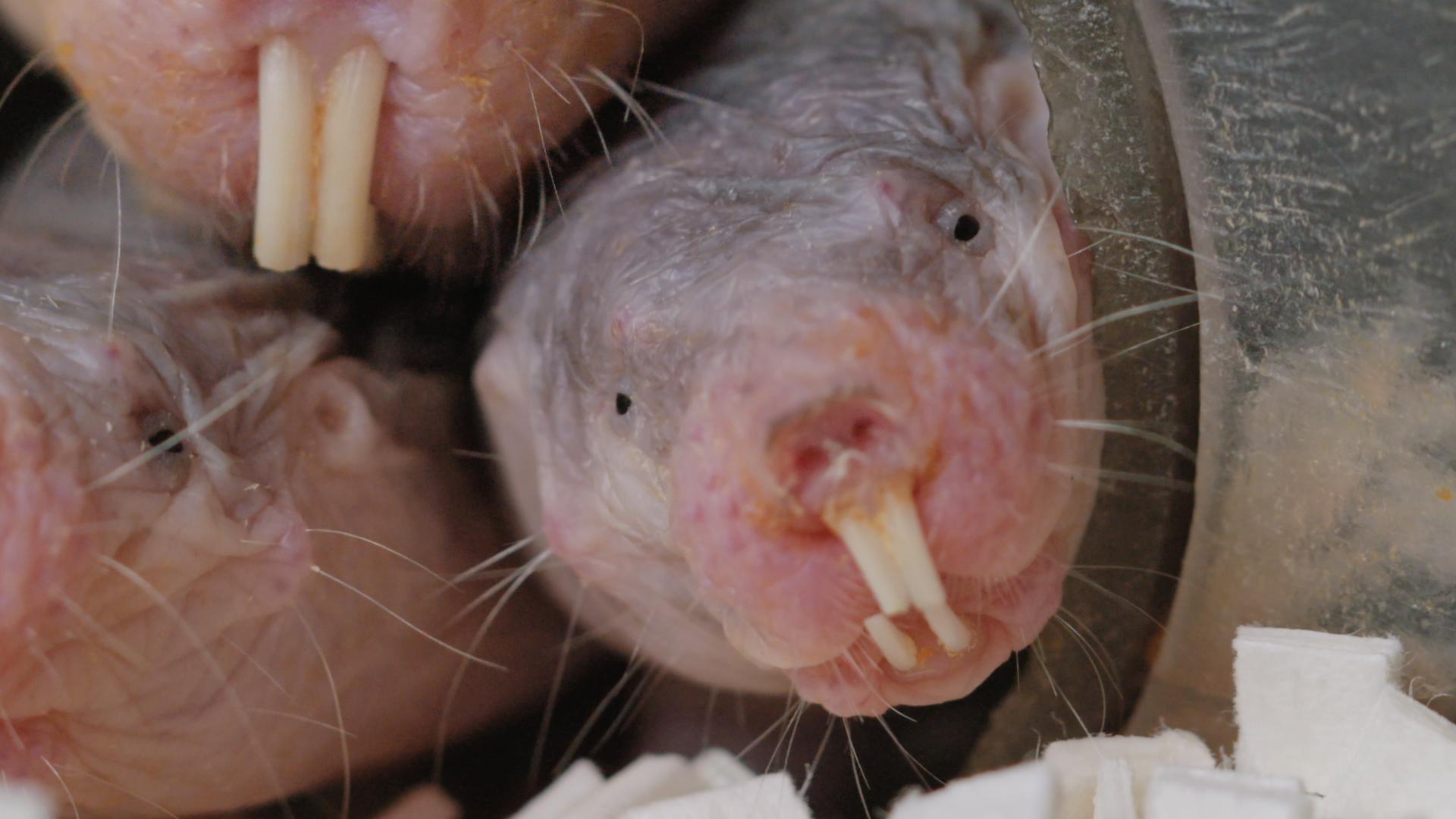
Naked mole-rats possess several highly unusual biological traits that make them invaluable to scientific research:
-
Cancer resistance: They are among the few animals known to show resistance to cancer. There are very few documented cases of naked mole-rats developing cancer. There are other species which exhibit cancer resistance, such as birds and reptiles. Naked mole-rats are the only mammals that are known to have this capacity, which makes them far more promising as a model for the development of preventative or therapeutic treatments in humans.
- Pain insensitivity: They have evolved to not feel pain related to acid, an adaptation beneficial for their underground, carbon dioxide rich habitat. Moreover, they also appear resistant to developing chronic pain conditions such as inflammatory bowel disease and osteoarthritis.
- Hypoxia tolerance: Their brain tissue can withstand sustained periods of low oxygen levels, making them a useful model for studying conditions like stroke.
- Healthy ageing: Whereas most species show negative changes in their biology as they age, naked mole-rats do not. They generally maintain a constant level of health throughout their long lives, for example demonstrating no age-related change in heart function.
These traits make naked mole-rats a useful model for exploring a wide range of illnesses that affect humans, possibly contributing to the development of treatments for various diseases.
Where do research naked mole-rats come from?
Naked mole-rats used in scientific research are bred specifically for this purpose in specialised facilities. These animals are not sourced from pet or livestock breeders. Like all research animals, they are free from disease and accustomed to laboratory environments.
How are naked mole-rats looked after?
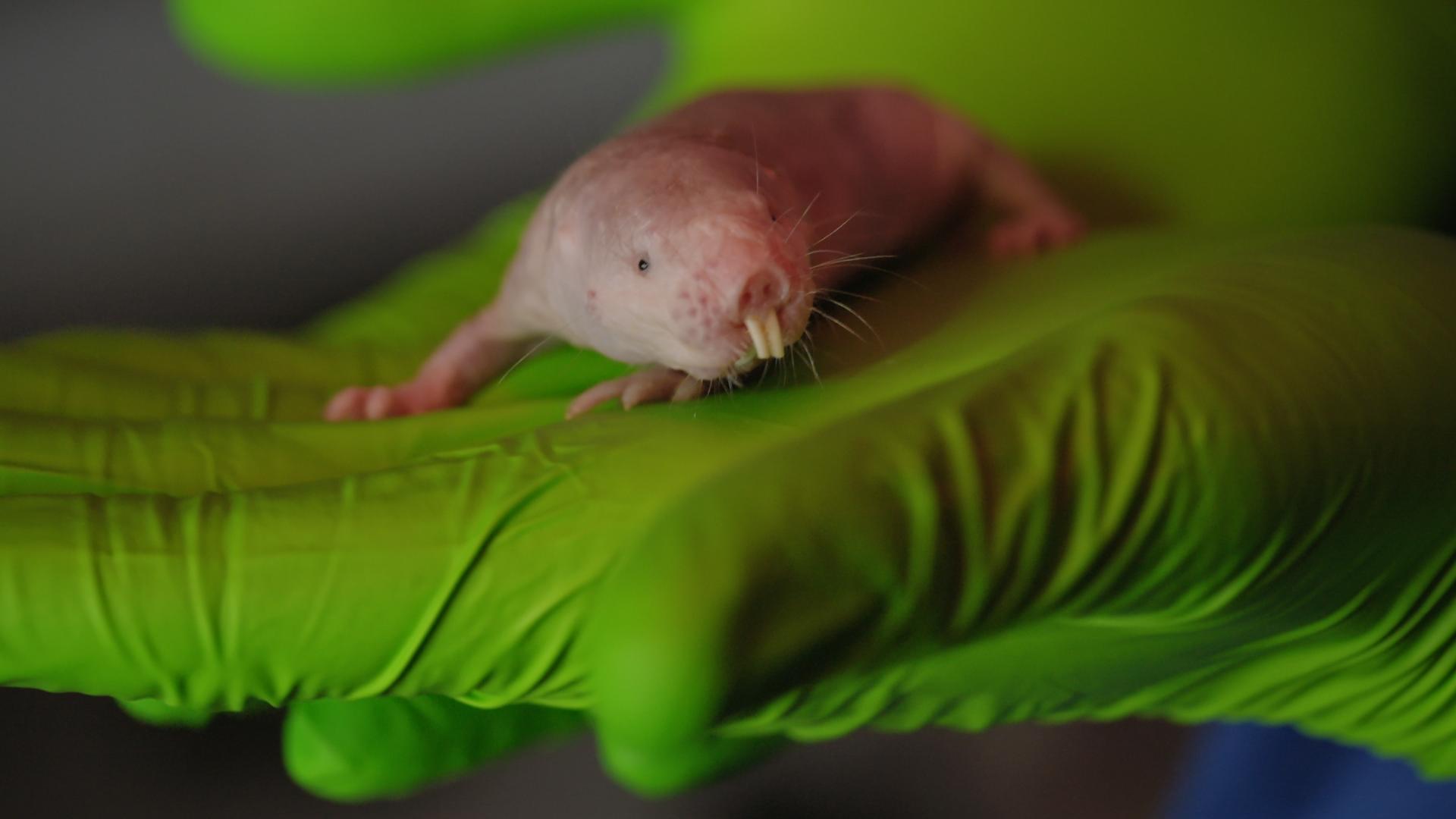
In the UK, facilities housing naked mole-rats must adhere to strict welfare standards. Animals are provided with comfortable substrates, and metal grate flooring is prohibited. Enrichment activities, such as providing diggable substrates, chew blocks and running wheels are implemented to encourage natural behaviours and improve welfare.
Animals are cared for by specially trained animal technicians. For more information, refer to the NC3Rs guidelines and UK government regulations.
For more information see Animal care & welfare.
Animal welfare
Many countries, including the UK, regulate laboratory animal welfare by law. The potential severity of animal experiments is carefully evaluated before a licence can be awarded for carrying out biomedical research. The welfare of the animals must be considered alongside the scientific questions.
When pursuing animal experiments, scientists must balance two priorities: animal welfare and the potential benefit of the research. They try to choose animal models that answer the scientific questions with the least possible distress caused to the animals.
Research case study
Professor Ewan St. John Smith and his team at the University of Cambridge have been studying the unusual biology of naked mole-rats. Their research has uncovered insights into the species' cancer resistance and pain insensitivity, potentially leading to advances in human medicine.
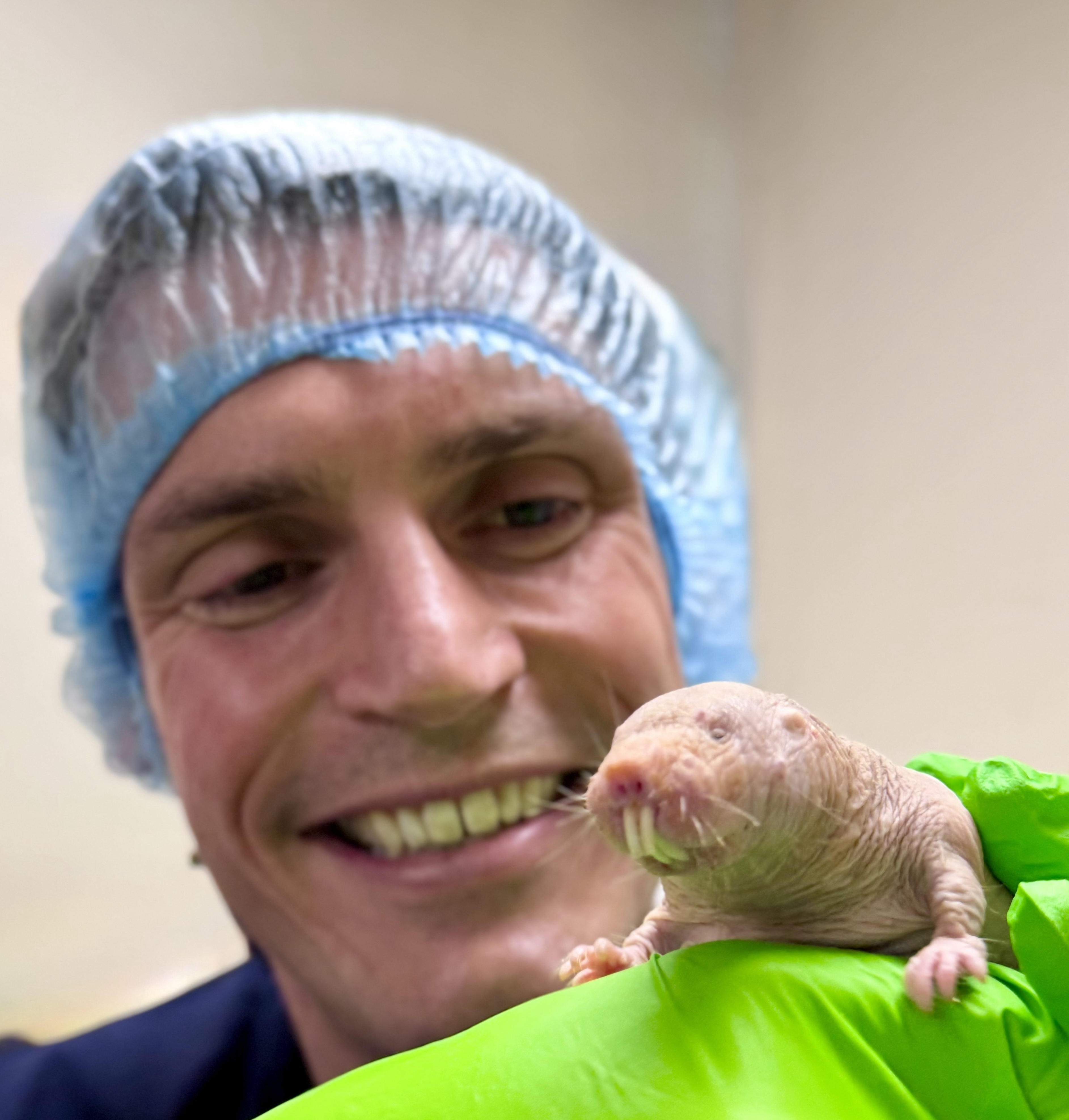
Ewan St John smith and naked mole rat.
This article was written for UAR by Professor Ewan St. John Smith, Director of the Naked Mole-Rat Initiative at the University of Cambridge.
All photos courtesy of Ewan St John Smith's research group.